Seamless Lighting Design for Circadian Harmony with Concealed Fixtures and Immersive Scenes
Today we explore Seamless Lighting Design: Circadian Control with Concealed Fixtures and Scenes, showing how discreet architectural integration, tunable white spectra, and gracefully evolving presets can synchronize daily energy, focus, and rest. Expect practical strategies, human stories, and measured outcomes that elevate comfort while reducing visual noise, letting architecture breathe. Share your questions, subscribe for deeper guides, and join our community of designers, technologists, and homeowners refining healthier light through invisible hardware, thoughtful controls, and delightfully natural transitions.
How Light Guides Your Inner Clock
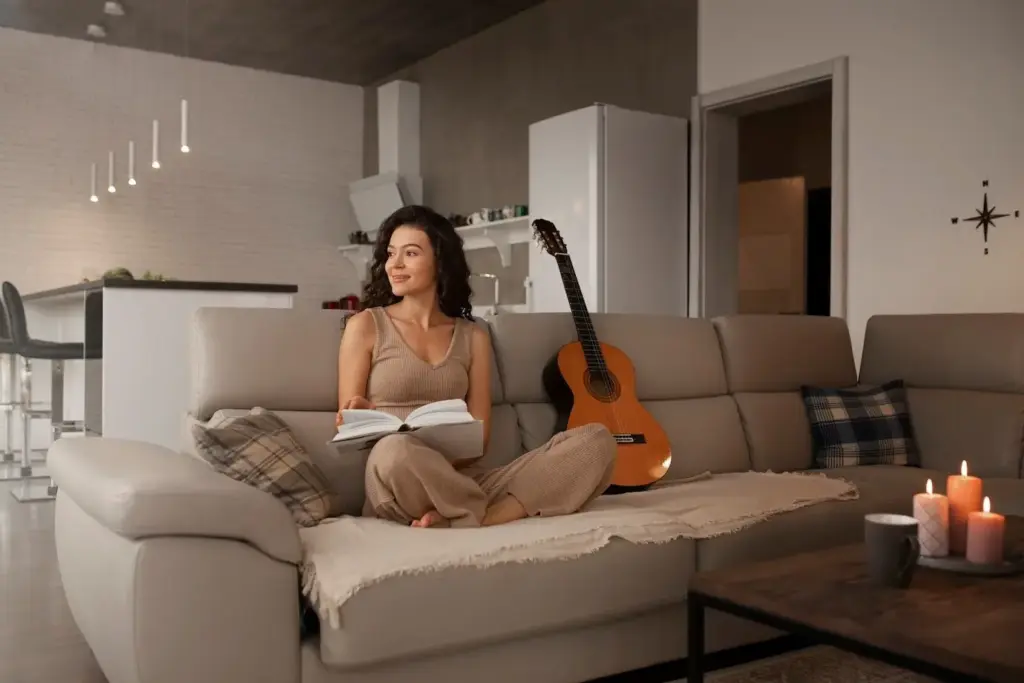
Circadian biology responds most strongly to light’s spectrum, intensity, and timing at the eyes. By steering color temperature, vertical illuminance, and exposure patterns, we nudge alertness by day and support melatonin by night. Concealed fixtures quietly deliver these cues without distracting glare or object-like luminaires. We will unpack what matters, what to measure, and how to choreograph changes so the space feels intuitively right, never theatrical. Tell us how mornings feel where you live, and we’ll tailor future explorations to your routines.

Invisible Hardware, Visible Comfort
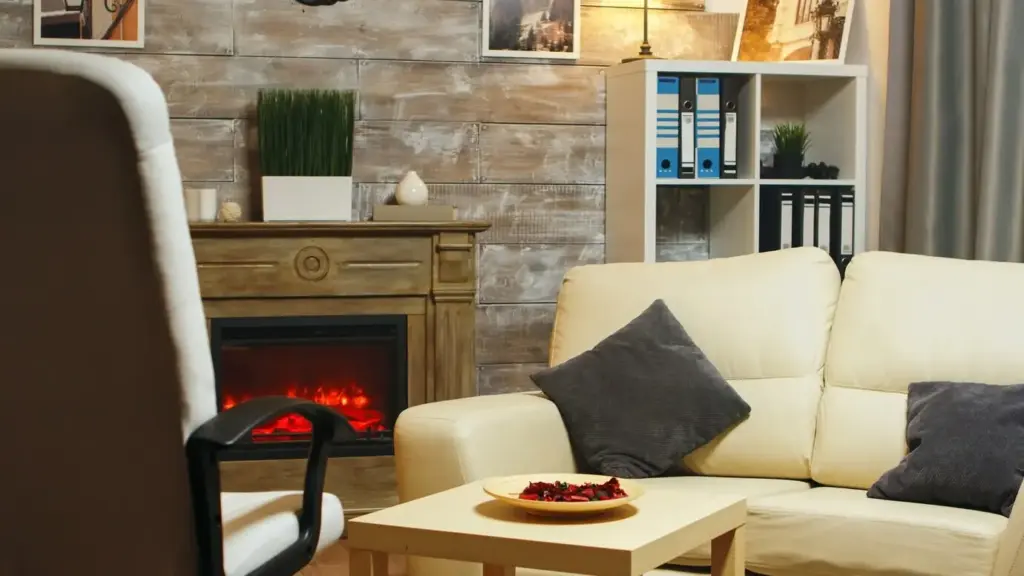
Architectural integration turns light into a surface property rather than a point source. Concealed fixtures—recessed coves, microlinear slots, edge-lit panels, and trimless downlights—can graze, wash, and envelop without clutter. Pair precise optics, baffles, and shielding with high color fidelity to maintain honest material appearance. Consider maintenance access, thermal paths, and driver locations, especially in tight millwork. Your photos of quiet ceilings, glowing walls, and luminous furniture inspire others to try subtler solutions, so post them and tag the details you are proud of.
Perimeter coves softly lift ceilings, reducing contrast and making rooms feel taller. Linear grazers reveal stone and plaster textures without glittering streaks when spacing, setback, and beam angles are tuned. Narrow slots deliver compelling lines of luminance with minimal visual presence. Keep continuous diffusion, consistent cutoff, and accessible drivers. For circadian programs, specify tunable white linear engines with tight binning and excellent TM‑30 fidelity. Share any sketch or mockup you have tried; we love lessons learned from foam-core and painter’s tape experiments.
Trimless apertures and deep regress optics produce comfortable brightness with strong glare control, letting the ceiling read as a calm plane. Use wall washers to build uniform vertical light, then reserve narrow beams for accents, not baseline illumination. Coordinate plaster details early with contractors to avoid messy reveals. Pair high CRI modules with low flicker drivers and dimming that gracefully reaches one percent or lower. Post your questions about cutout tolerances, paint finishes, and serviceability; we will compile a practical field checklist for subscribers.
Gentle Wake with Sunrise Simulation
Start thirty to forty-five minutes before the alarm with a very low, warm glow that gradually brightens and cools slightly, nudging the body toward readiness without startling. Include subtle wall washing instead of sharp downlight beams. Keep luminance ratios soft to preserve comfort for light‑sensitive people. Pair with automated shade pre‑lift for daylight handoff. If mornings are chaotic, extend the ramp to reduce stress. Share your wake results, and we will crowdsource ideal fade curves for bedrooms, bathrooms, and kitchens.
Focus and Collaborate Without Harshness
Midday requires brighter, cooler light at the eyes, but the trick is delivering it without sparkle or glare. Combine vertical wall illumination, quiet ceiling downlights, and concealed linear fills that maintain contrast for screens and paper. Consider a short, targeted boost scene before meetings, then return to a sustainable baseline. Log feedback on comfort and productivity; small adjustments to spectrum or beam direction often unlock big wins. Comment with your favorite focus scene settings, and we will publish benchmark ranges for typical tasks and industries.
Control Systems, Sensors, and Smooth Transitions
Reliable circadian experiences rely on standards-based controls and thoughtfully tuned fades. DALI‑2 DT8 simplifies tunable white, while DMX and BLE systems enable granular scene shaping. Integrations with Lutron, KNX, or Casambi coordinate shades, sensors, and switches. Commission transitions as soft curves, not stepped jumps, allowing occupants to adapt seamlessly. Use schedules, occupancy, and daylight logic with overrides that are intuitive. Share your preferred ecosystem and sticking points, and we will publish cross-platform programming recipes and real-world reliability notes gathered from field integrators.
Tunable White via DALI‑2 DT8, DMX, or BLE
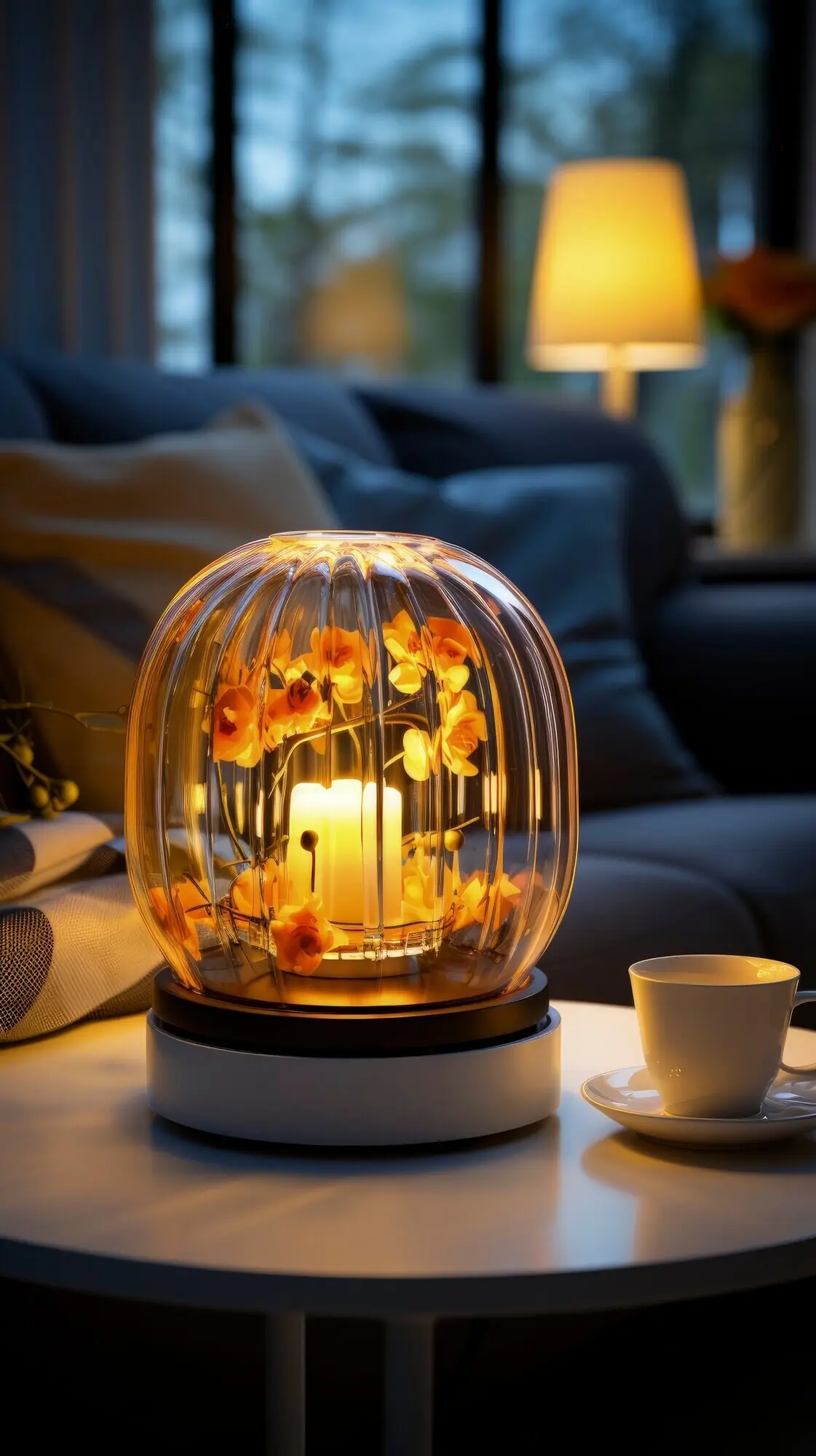
DALI‑2 DT8 allows a single address to control intensity and CCT, simplifying wiring and grouping. DMX excels where rapid, granular changes and theatrical precision are needed, especially for complex walls or branded experiences. Bluetooth mesh systems like Casambi offer retrofit agility with robust scene logic. Whatever you choose, prioritize low flicker, consistent dim-to-warm curves, and precise color mixing. Ask us about drivers, addressing strategies, or fixture compatibility, and we will curate compatibility matrices and commissioning tips based on your actual equipment lists.
Daylight Harvesting with Attention to Eyes
We are lighting people, not just energy managers. Daylight harvesting should protect biological effectiveness and visual comfort, not only watts. Use vertical sensors or smart algorithms that infer eye-level exposure, then adjust electric light gently. Calibrate with shades and consider sky conditions, reflectances, and view preferences. Inboard coves can stabilize backgrounds while perimeter walls ride daylight changes. Share your calibration curves or setbacks that truly felt better, and we will feature practical recipes blending energy codes with human-centric results everyone can feel.
Fades, Crossfades, and Consistent Schedules
Transitions make or break the experience. Use longer ramps for wake and wind-down, quicker crossfades for meeting starts, and very slow seasonal adjustments that mirror daylength without notice. Keep schedules consistent, yet allow graceful manual nudges that do not break automation. Avoid perceptible steps or color jumps by matching driver resolution and limiting change rates. Tell us where fades feel wrong, and we will help diagnose whether it is driver resolution, PWM frequency, small-step programming, or mismatched fixtures causing flicker, shimmer, or tint shifts.
Story From the Field: Apartment and Studio
Morning Routine That Feels Naturally Energizing
In the apartment, a 40‑minute sunrise ramp lifted from 1% at 2200K to 22% at 3500K, handing off to daylight by the window. Vertical eye levels hit about 200 melanopic lux at breakfast, reported as noticeably gentler than phone alarms. The resident reduced snooze taps and felt more willing to stretch. The playlist helped, but light did the heavy lifting. Want the exact controller logic? Comment, and we will share a downloadable schedule file with annotations for different seasons and travel disruptions.
Midday Focus Zone Without Visible Glare
The studio used wall washing plus concealed microlinear fills to reach roughly 300 melanopic lux at the desk without specular hotspots on screens. CRI 95+ and TM‑30 Rf 90+ preserved artwork evaluation. A fifteen-minute pre‑meeting boost scene raised clarity, then dropped back to a sustainable baseline. Occupants described calmer eyes and fewer headaches. Share your monitor arrangements and paint finishes, and we will suggest beam strategies that keep the ceiling quiet while delivering the vertical light levels your tasks genuinely require.
Evening Cocoon with Seamless Pathlights
At night, toe‑kick channels and handrail lines guided movement around 0.3–1 lux, while main layers drifted toward 2200K for reading and conversation. Motion sensors ignored high-output scenes after 10 pm, selecting micro-output night modes instead. The client reported better wind‑down, fewer wakeful trips, and cozier movie nights. Have a hallway or nursery challenge? Describe dimensions, materials, and sleep schedules, and we will propose calm, concealed pathways that respect circadian needs while staying friendly for guests and late-night snack missions alike.
From Plan to Commissioned Reality
Great projects follow a clear path: discovery, mockups, documentation, coordination, installation, commissioning, and iteration. Map stakeholder goals, build foam-core or on-site samples, and pressure-test scenes early. Document spectra, dimming curves, and glare criteria with clarity, then protect those specs during procurement. During commissioning, measure vertical illuminance, color consistency, and flicker, then adjust schedules with users present. Keep a maintenance and update plan. Post your biggest roadblocks, and we will compile adaptable checklists and templates you can apply on your next project immediately.
All Rights Reserved.